Indonesia
Indonesia Reduces Gas Exports to Singapore to Prioritize Domestic Power
The government has diverted 31 million standard cubic feet of gas per day to local power plants following a 16-hour blackout in Riau and Batam.
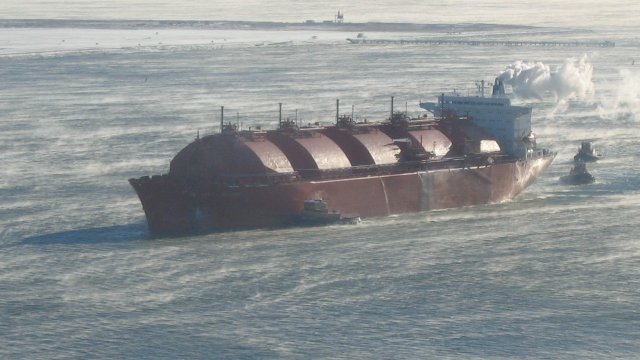
Photo: lightgraphs / Wikimedia Commons (CC BY 2.0).
Indonesia has decreased its pipeline gas exports to Singapore by approximately 9 percent, according to a report from Reuters on 24 October 2026. This reduction involves a total of 31 million standard cubic feet of gas per day that is no longer being sent across the border. The redirected volume is comprised of 15 million standard cubic feet per day sourced from Natuna and 16 million standard cubic feet per day originating from Sumatra.
The decision to cut these exports stems from a need to bolster the energy supply for domestic power plants. The gas is currently being funneled to facilities in Sumatra, Bintan, and Batam. This reallocation follows a significant energy crisis in early October, when Batam and several other cities in the Riau region were hit by a massive blackout that lasted for 16 hours. Minister Bahlil Lahadalia stated that the country’s domestic needs come first in these matters.
Djoko Siswanto, the chair of SKK Migas, is overseeing the distribution of these resources as the state shifts its focus toward local electricity stability. By retaining the 31 million standard cubic feet of gas that was previously destined for Singapore, the government aims to prevent future outages like the 16-hour event experienced in Riau. The 15 million standard cubic feet from Natuna and the 16 million standard cubic feet from Sumatra provide a critical buffer for the region’s power grid.
This 9 percent reduction in pipeline gas exports, as detailed on 24 October 2026, reinforces the policy positions held by Minister Bahlil Lahadalia. With the prioritization of power plants in Batam, Bintan, and Sumatra, the Indonesian government is ensuring that its internal energy requirements take precedence over international exports. The chair of SKK Migas, Djoko Siswanto, remains central to the implementation of these changes as the nation addresses its domestic electricity demands.
Source: Reuters
Read Also
- Indonesia Issues Record 2.1 Trillion Rupiah in Fines for Stock Market Violations — Indonesia
- Bali Experiences Fuel Scarcity Following Tanker Issues and Harsh Sea Conditions — Indonesia
- Indonesia Confiscates 1.16 Tons of Ketamine from Mongolian-Flagged Vessel — Indonesia
Pawartaenggal Newsroom