Economy
SK Hynix Posts Record Profit as AI Demand Drives Memory Prices Higher
South Korean chipmaker SK Hynix reported a more than seven-fold jump in third-quarter operating profit to a record 83.3 trillion won and unveiled about $75 billion in shareholder returns for the year, as AI infrastructure demand keeps memory prices high.
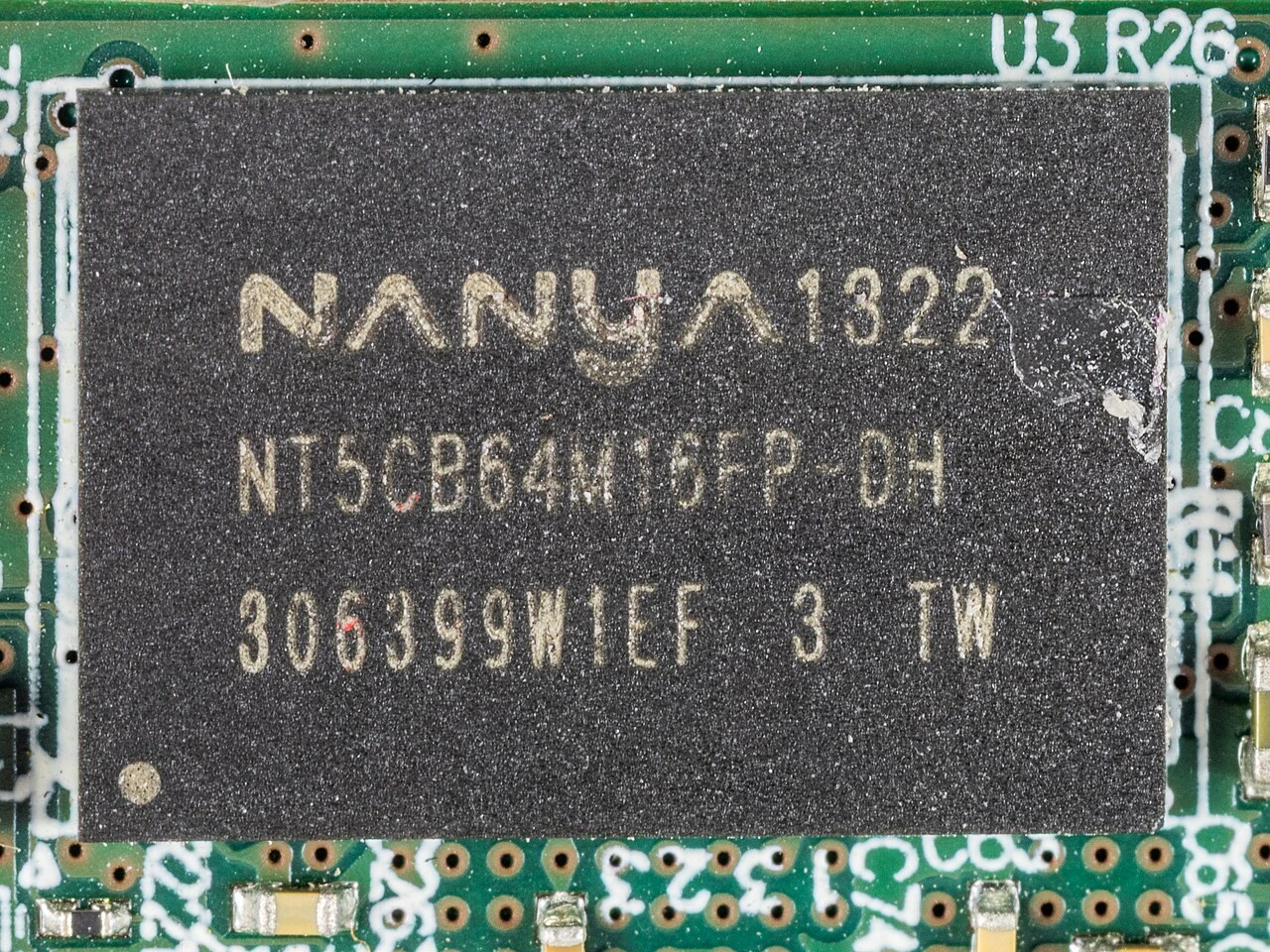
Photo: Raimond Spekking / Wikimedia Commons (CC BY-SA 4.0). Photo shows a memory chip, not a specific SK Hynix product.
South Korean chipmaker SK Hynix reported a more than seven-fold rise in quarterly operating profit to a record high on Wednesday, beating market forecasts, as continued demand for AI infrastructure drove up memory chip prices.
The Nvidia supplier reported operating profit of 83.3 trillion won for the July-September period, compared with 11.4 trillion won a year earlier. That compared with the 76.7 trillion won LSEG SmartEstimate, which is weighted toward estimates from analysts who are more consistently accurate. Quarterly revenue rose 328% to 104.6 trillion won.
SK Hynix also said it will pursue shareholder returns totalling about 100 trillion won ($75.4 billion) this year, comprising cash dividends of 30 trillion won and share repurchases and cancellations of 60 trillion won, including 40 trillion won announced in August. It also said it will return most of the gain earned from its investment in Japanese peer Kioxia to shareholders through a special dividend to be distributed as part of its third-quarter and full-year payouts.
The company said it has sold out of HBM and DRAM chips until 2029, that HBM demand was double what it can supply, and that a chip shortage is likely to continue through 2030 — comments that contrast with market jitters about AI demand momentum and the durability of AI investment. SK Hynix is the global leader in HBM chips, high-bandwidth memory chips used in AI processors, accounting for almost half of the market, according to data from Nomura. It is also a leading supplier of dynamic random access memory chips, or DRAM.
To improve mid-to-long-term demand visibility, SK Hynix has signed long-term agreements with 14 major customers, while proactively discussing with a number of customers the possibility of extending the contract terms, which are typically five years. The volume secured under those agreements so far corresponds to more than 50% of total production capacity for 2027 and 2028, the company said. It reiterated that it expects demand to continue to exceed supply through 2030.
Addressing concern about a potential slowdown in customers' AI spending, Chief Financial Officer Kim Woo-hyun said customers were looking closer at project feasibility and profitability while refining the timing of investment. "We expect AI investment momentum to continue, as customers' AI spending is translating into broader adoption of AI services and tangible business results, while the range of companies investing in AI is also becoming more diversified," Kim said.
"The results have eased many of the market's concerns, with earnings coming in ahead of expectations," said senior analyst Ryu Young-ho at NH Investment & Securities. "Given that the fourth quarter is traditionally stronger, operating profit could approach 100 trillion won," Ryu said. SK Hynix shares rose 2% on Wednesday, in line with the wider market's 2.2% gain.
Source: Reuters
Read Also
- High Inflation to Persist Globally Into Next Year, Reuters Poll Shows — Economy
- Taiwan Sees Strong Tech Demand Driving Exports Into 2027 — Economy
- Bank of Korea Warns Chip Exports Could Fall by Up to $100 Billion if AI Spending Slows — Economy
Pawartaenggal Newsroom